

Harnessing People Analytics for Comprehensive Insights
People analytics platforms in 2025 integrate vast datasets from recruitment, performance, engagement surveys, and learning systems to deliver predictive and prescriptive insights. These tools enable HR professionals to forecast workforce trends with unprecedented accuracy, identifying flight risks, skills gaps, and succession opportunities before they impact operations.
Key capabilities include:
- Predictive Modeling: Algorithms analyze historical data to predict attrition rates, often achieving 80-90% accuracy in high-performing systems.
- Skills Mapping and Talent Intelligence: Platforms map employee competencies against organizational needs, supporting strategic workforce planning and upskilling initiatives.
- DEI and Well-Being Analytics: Track representation, pay equity, belonging metrics, and wellness indicators to inform inclusive policies.
- Real-Time Dashboards: Provide executives with actionable visualizations for monitoring KPIs like engagement scores and productivity trends.
By synthesizing these insights, organizations can implement targeted interventions, reducing turnover by up to 20% and enhancing overall performance alignment.
Revolutionizing Recruitment and Onboarding Processes
AI-driven recruitment tools have transformed talent acquisition in 2025, with over 87% of companies utilizing these technologies to streamline processes and improve hire quality. Generative AI and agentic systems automate sourcing, screening, and candidate engagement, shifting focus to skills-based hiring.
Core advancements feature:
- Automated Sourcing and Screening: AI scans resumes, matches candidates to roles, and reduces bias through objective criteria.
- Personalized Candidate Journeys: Chatbots and virtual assistants provide real-time interactions, improving candidate experience and time-to-hire.
- Virtual Onboarding Platforms: Immersive experiences with personalized learning paths accelerate integration and retention for new hires.
These innovations not only cut hiring costs by 30% but also ensure diverse, high-quality talent pools.
![The Ultimate Guide to AI in Recruiting [2025]](https://www.joveo.com/wp-content/uploads/2023/11/AI-in-Recruiting-01-scaled.jpg)
Modernizing Performance Management Systems
Performance management has shifted from annual reviews to continuous, agile frameworks supported by AI and real-time data. In 2025, organizations prioritize ongoing feedback, goal alignment, and development-focused evaluations.
Essential elements encompass:
- Continuous Feedback Tools: Platforms enable real-time check-ins, 360-degree reviews, and goal-tracking with OKRs.
- AI-Driven Insights: Analyze performance data to suggest coaching, identify high-potentials, and mitigate biases.
- Decoupled Compensation and Development: Separate growth discussions from pay decisions to foster honest, developmental conversations.
- Integration with Learning Systems: Link feedback directly to personalized upskilling recommendations.
This approach boosts employee engagement and productivity while supporting agile organizational responses.
Enhancing Employee Experience and Inclusion Initiatives
Employee experience platforms centralize wellness, recognition, and communication, while DEI technologies drive measurable progress. In 2025, holistic strategies integrate intersectionality, neurodiversity, and belonging.
Key components include:
- Wellness and Engagement Tools: Track sentiment, offer mental health resources, and facilitate recognition programs.
- DEI Analytics Platforms: Monitor representation, equity in promotions, and inclusion metrics for targeted interventions.
- Employee Resource Groups (ERGs) Support: Digital tools empower ERGs for intersectional collaboration and community building.
- Personalized Experiences: AI tailors benefits, learning, and career paths to individual needs.
These initiatives cultivate inclusive cultures, improving retention and innovation.
Streamlining Compliance and Supporting Flexible Work
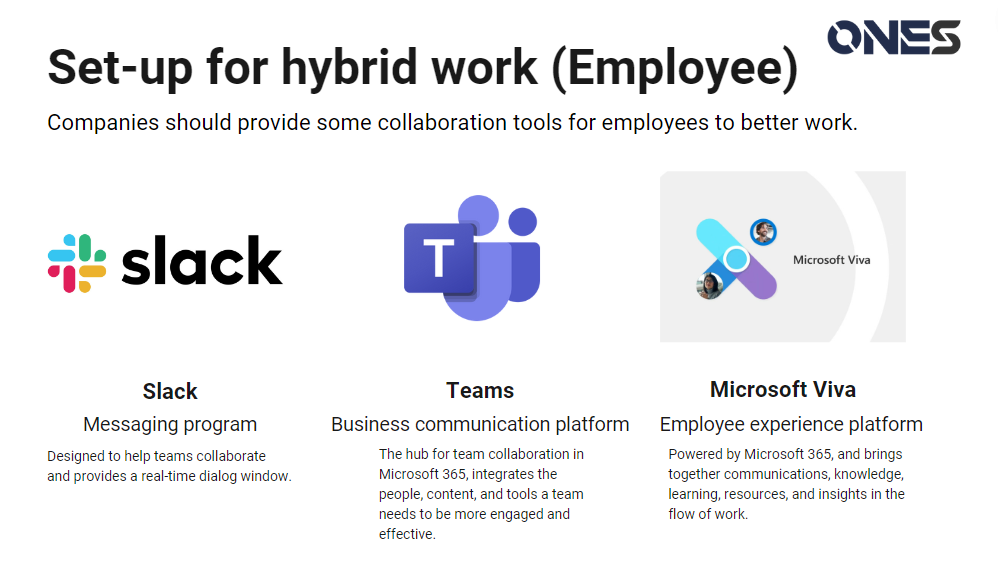
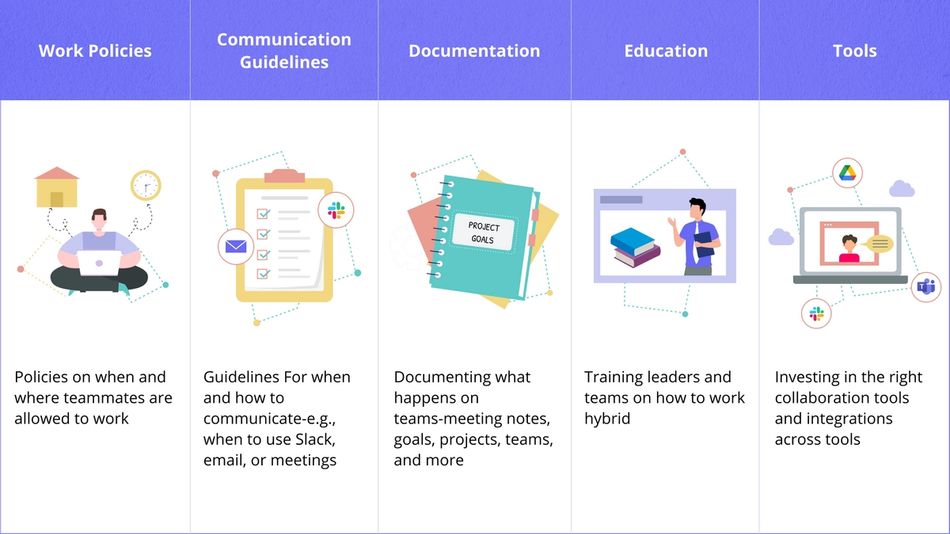
Automation tools ensure regulatory adherence amid evolving laws, while hybrid collaboration platforms maintain productivity in distributed environments.
Critical features involve:
- Automated Compliance Management: Track policy acknowledgments, audit trails, and reporting for global regulations.
- Hybrid Work Tools: Scheduling, virtual collaboration, and time-tracking adapted to flexible models.
- Pay Transparency and Equity Audits: AI-assisted tools for salary range disclosures and disparity identification.
- Data Privacy and AI Governance: Built-in safeguards for ethical technology use.
These solutions enable seamless operations across borders and work styles.
Driving Organizational Outcomes Through Strategic HR
When equipped with data, AI, and integrated technology, HR directly contributes to revenue growth, innovation, and resilience. Organizations investing in these capabilities build adaptive workforces prepared for future challenges, achieving superior performance outcomes and competitive advantage in 2025 and beyond.